
A crochet bag only works if the yarn does. Pick something too soft and your market tote sags by lunchtime. Pick something too stiff and your hands pay for it. With Australian summer approaching, now is the time to choose yarn that carries your beach towel, farmers market finds or Christmas gifts without losing its shape.
This guide looks at the yarns that actually suit bags: cotton, raffia-style and t-shirt yarn. It covers what each one does well, where it lets you down, and how to match hook size and stitch so the bag holds up. We also touch on lining and finishing, because yarn is only half the story.
Why bag yarn needs to think about structure
A shawl can drape and a blanket can be cosy, but a bag has to carry weight. Yarn with too much give will stretch under load and rarely spring back. Fibre, twist, thickness and stitch density all matter, but the most important question is simple: will this fabric hold its shape when it is full?
A bag that starts out neat can grow sideways after a few uses. Handles lengthen, the base bulges, and the whole thing loses its structure. Choosing the right yarn from the start prevents most of that.
Cotton: the default for market and beach bags
Cotton, especially mercerised cotton, is the most reliable choice for a crochet bag. It has very little stretch, it is absorbent, and it washes well. A cotton market bag can go from the farmers market to the wash without coming out misshapen.
It works particularly well for granny square bags and open market totes. Because cotton is firm, the stitches stay where you put them. An 8-ply cotton is easy to find and easy to work with. The downside is that it can be hard on your hands if you crochet tightly. If your fingers ache, take more breaks or relax your grip rather than switching to a softer yarn.
For the firmest fabric, work in a tight double crochet (US single crochet) or half treble (US half double crochet). Avoid loose, lacy stitches unless you plan to line the bag.
Raffia-style and paper yarn: structure with summer texture
Raffia-style and paper yarns are stiff by nature. That stiffness is exactly what makes them good for summer beach bags, clutches and bags that need to stand up on their own. They hold their shape without a lining, and they look right at home beside a swimsuit and a sunhat.
They are less forgiving than cotton. The yarn can be rough on your hands, so work in short sessions and take breaks. It also does not forgive mistakes well; pulling out stitches can fray or flatten the fibre. Use simple stitches and avoid very openwork, which can lose its shape under weight.
A smaller hook gives a denser fabric, but do not go so small that your hands suffer. A medium hook with a smooth finish helps the yarn slide without catching.
T-shirt yarn: chunky, stretchy and best in moderation
T-shirt yarn is thick and works up quickly, which makes it tempting for big tote bags. It creates a bold, modern look and a sturdy-looking fabric. The catch is stretch. T-shirt yarn has give, and a bag made from it can grow under the weight of books, bottles or shopping.
To keep the shape, use a smaller hook than the label suggests, or hold two strands together for a denser fabric. It works best for bags with a structured base or for lighter loads. If you want a heavy-duty market bag, cotton is the safer choice.
Because the yarn is bulky, stitch definition is less important than density. Work tightly and check your gauge by hanging a swatch with a weight attached.
Yarns that usually disappoint in bags
Acrylic and wool blends are lovely for blankets and garments, but they often have too much drape for a bag. They can stretch, pill, and hold on to smells. Fine yarns in general require so many strands or so much stitching that the project becomes tedious before it is finished.
That does not mean you cannot use them. A softer yarn works fine if you line the bag, add a stiff base, or only carry light items. But if you are starting from scratch and want a bag that keeps its shape, cotton or raffia-style yarn is the better place to begin.
Hook size and stitch choice for a firm fabric
For bags, go down a hook size or two from what the ball band recommends. A tighter gauge means less stretch and more structure. It also makes the fabric more durable where it gets rubbed, such as the base and the handle joins.
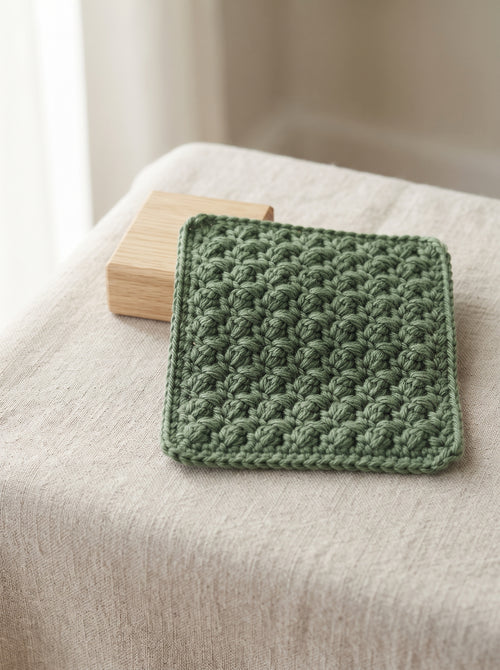
Stitch choice matters too. Dense stitches hold their shape better than open ones. The Grit Stitch pattern produces a dense, durable fabric that holds its shape without curling, which makes it worth considering for a bag body. A tight double crochet (US single crochet) works well for handles and edges.
Before you commit, crochet a 10 centimetre square, wash it the way you would wash the bag, then hang a small weight from it and see how it behaves. If it stretches more than a few millimetres, go down a hook size or choose a firmer yarn.
Lining, bases and handles
Yarn is only half the story. A fabric lining stops a bag from sagging, hides yarn ends, and makes it easier to find your keys. A stiff base—plastic canvas or stiff interfacing—keeps the bottom from bulging.
Handles are the first place a bag tends to fail. Work them in a firm stitch, and consider sewing a strip of fabric or webbing inside if you plan to carry heavy loads. If you are joining granny squares, block the pieces before you join them so the bag assembles evenly. We covered that finishing trick in Block before you join: the finishing trick for neat crochet squares.
Quick fixes for common bag problems
- Bag grows after washing: lay cotton bags flat to dry and avoid hanging them while wet.
- Handles stretch: crochet them with a smaller hook, or add a fabric reinforcement strip inside.
- Yarn splits: choose a smooth, plied yarn and a hook with a polished tip.
- Base bulges: add a stiffener or work the base in a denser stitch than the sides.
Match the yarn to the bag
There is no single best yarn for every bag. Cotton is the everyday workhorse for market and beach totes. Raffia-style yarn gives you structure and summer texture. T-shirt yarn makes a chunky statement, as long as you manage the stretch. Softer yarns can work, but they usually need a lining or a stiff base to keep their shape.
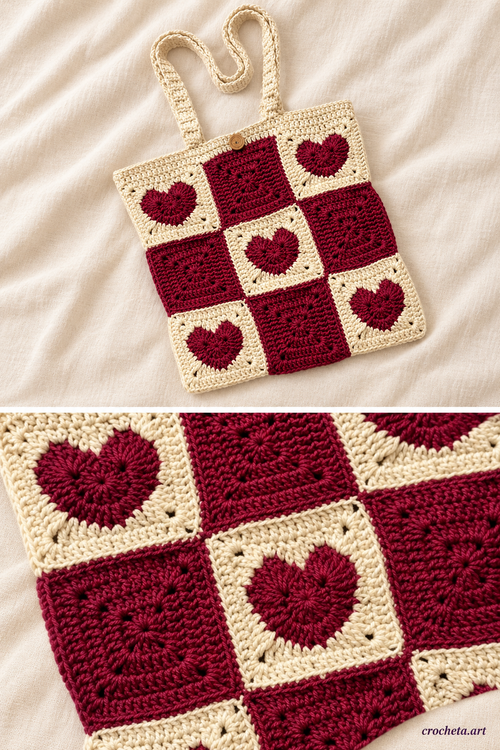
If you are looking for a pattern to put this into practice, the Rosetta Rose granny square shoulder bag pattern uses 13 solid granny squares to build a structured tote. You can also browse the free crochet patterns for smaller makes.
Pick your yarn with the bag's job in mind, and it will carry you through summer and beyond.

Crochet pattern
Rosetta Rose Granny Square Shoulder Bag Crochet Pattern PDF, Cottagecore Floral Origami Tote with Ruffles
Free pattern
Get the free pattern
0 comments