
You follow a crochet pattern, choose a nice yarn, and finish the piece only to find it is nothing like the picture. It is too big, too stiff, or the stitches disappear into the fabric. Before you blame your hook or your tension, check the yarn.
In Australia and the UK, yarn is often sold by ply as well as by weight category. Two balls can look similar on the shelf but behave very differently once you start crocheting. This guide explains what ply and weight mean, how to match yarn to a pattern, and what to do when you want to substitute.
We will keep it practical. No colour theory lectures, no complicated rules — just enough to walk into a shop or scroll through an online yarn store and know what to pick.
What ply means for crochet yarn
Ply originally described how many strands were twisted together to make the yarn. In Australia and the UK the word is now mostly a thickness label: 4 ply is fine, and 8 ply is the everyday weight also called DK. It no longer tells you the real number of strands, so a modern 8 ply may not have eight strands at all. Different fibres behave differently too.
Common plies you will see:
- 4 ply — fine yarn, often used for socks, light shawls and delicate amigurumi details.
- 8 ply — the everyday thickness many Australian patterns assume. Good for blankets, garments and general homewares.
- 12 ply and above — chunky yarns that work up quickly and suit cosy blankets or oversized accessories.
Because ply names vary between brands and countries, treat these as a starting point, not a rule.
Yarn weight categories and hook size
Labels often use weight words such as lace, fingering, sport, DK, worsted, aran, chunky and super chunky. These categories describe thickness, but the exact millimetre range varies by brand. A ball labelled DK from one manufacturer can be slightly thicker than a ball labelled DK from another.
As a rough guide for an average maker, finer yarns call for smaller hooks and thicker yarns for larger hooks. A 4-ply yarn might pair with a 2.25 mm to 3.5 mm hook, while an 8-ply yarn often works with a 4 mm to 5 mm hook. Chunky yarns can need 6 mm or more. The ball band usually prints a recommended hook size, which is a useful place to start.
The only way to be certain is to check the pattern’s suggested hook and then make a swatch. If your swatch is too big, go down a hook size. If it is too stiff and small, go up.
Fibre changes how the finished piece feels
Thickness is only half the story. Fibre affects drape, warmth, washability and how clearly the stitches show. It also affects how colour looks: wool often takes deep, rich shades, while cotton can look more matte.
- Acrylic is affordable, easy to wash and holds its shape well. It is a common choice for amigurumi and children’s items.
- Wool is warm, springy and forgiving if you need to unpick. Many people find it pleasant to work with, though it usually needs gentle washing.
- Cotton has little stretch and excellent stitch definition. It suits dishcloths, summer tops and projects that need to hold their shape.
- Blends mix fibres to balance softness, durability and price.
If a pattern calls for a drapey garment, a stiff cotton will hang differently than the designer intended. If you are making a dense amigurumi toy, a slippery yarn might not hold the stuffing neatly.
Match the yarn to the project
Before you buy, ask what the finished item needs to do.
- Amigurumi: choose a yarn that does not split easily and shows stitch definition clearly. Cotton or acrylic blends in 4 ply or 8 ply work well for small, round toys.
- Wearables: prioritise drape and next-to-skin comfort. Wool or wool blends are traditional, while acrylic is easier to care for.
- Homewares and blankets: durability matters. Acrylic and cotton blends wash well, though acrylic can pill with heavy use.
- Gifts: consider how the recipient will wash the item. Machine-washable acrylic is often kinder than hand-wash-only wool.
If you want to practise with a small project first, a starter set includes soft-grip hooks, fine steel hooks for lace, and small balls of yarn to try before you commit to a larger make.
Substituting yarn in a pattern
You do not need the exact yarn a designer used, but you should match the weight first, then think about how the fibre will change the feel. If the pattern uses 8-ply wool for a blanket, an 8-ply acrylic blend will behave similarly enough that you can adjust the hook size if needed.
Check the metreage or yardage on the ball band. A substitute with much less length per ball means you will need more balls to finish. Buy a little extra rather than running out near the end, and try to buy from the same dye lot so the colour does not shift between balls.
Always work a gauge swatch in the stitch the pattern uses. Wash and dry it the way you will treat the finished item, then measure. If you are making granny squares, blocking your swatches before joining helps everything line up — you can read more about that in our post on blocking squares before you join.
Swatch, wash and measure
A swatch is a small square of crochet, usually ten to fifteen centimetres across, worked in the main stitch of the pattern. It sounds like extra work, but it saves you from finishing a jumper that fits a doll or a blanket that covers only half the bed.
Work your swatch, then wash it the same way you plan to wash the finished piece. Some yarns bloom or soften after washing, and that changes the size. Measure the stitches across ten centimetres and compare with the pattern gauge. If you are making squares or motifs, blocking each swatch before joining helps everything line up neatly.
If you are building a stash for colour work or practice, a yarn and tool set gives you 20 or 30 colours in one bag, with hooks and small tools included.
Troubleshooting and quick tips
- If your stitches look lost in the fabric, the yarn may be too thick for the hook or pattern.
- If the fabric feels like cardboard, try a larger hook or a yarn with more drape.
- Keep the ball band from at least one ball of every yarn you use. You will want the dye lot and fibre content if you need more later.
- Store yarn away from direct sunlight and pets. Natural fibres can attract moths, and all yarns fade in strong light.
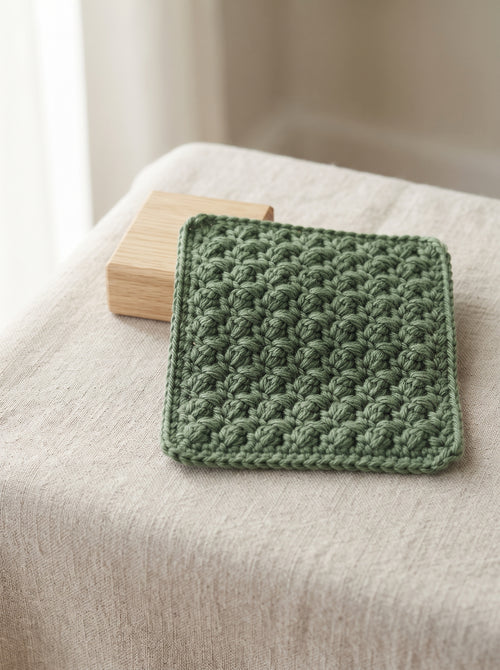
- When in doubt, buy one extra ball. It is easier to use leftover yarn for a small swatch or coaster than to hunt down a discontinued colour.
Choosing yarn with confidence
Ply and weight labels are tools, not rules. The best yarn for your project is the one that feels good in your hands, matches the pattern’s gauge, and does the job you need it to do. Make a swatch, wash it, and you will know before you invest hours in the full make.
If you are looking for a simple pattern to try your yarn choice on, browse the free crochet patterns collection. And if you want a ready-made set of colours and tools, the yarn set or starter kit below are good places to begin.

Crochet kit
Crochet yarn and tool set, 20 or 30 colours, with storage bag
$99.99 AUD
See it in the shop
Crochet kit
Crochet starter set in a floral zip case, hooks, yarn and tools
$49.99 AUD
See it in the shop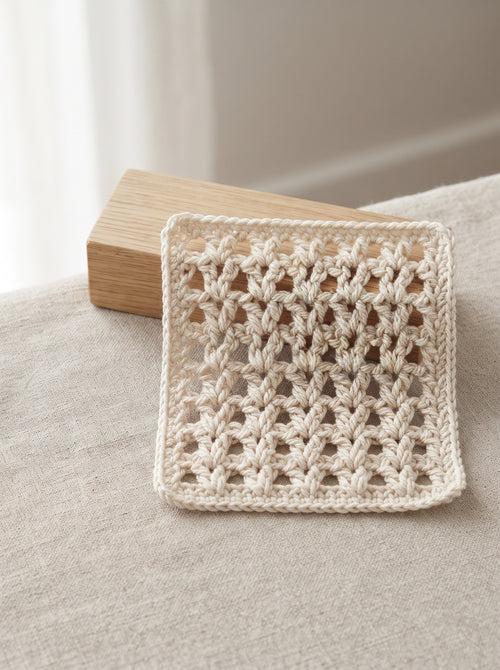
0 comments